NJI
- Tech
- AI
- Experiences
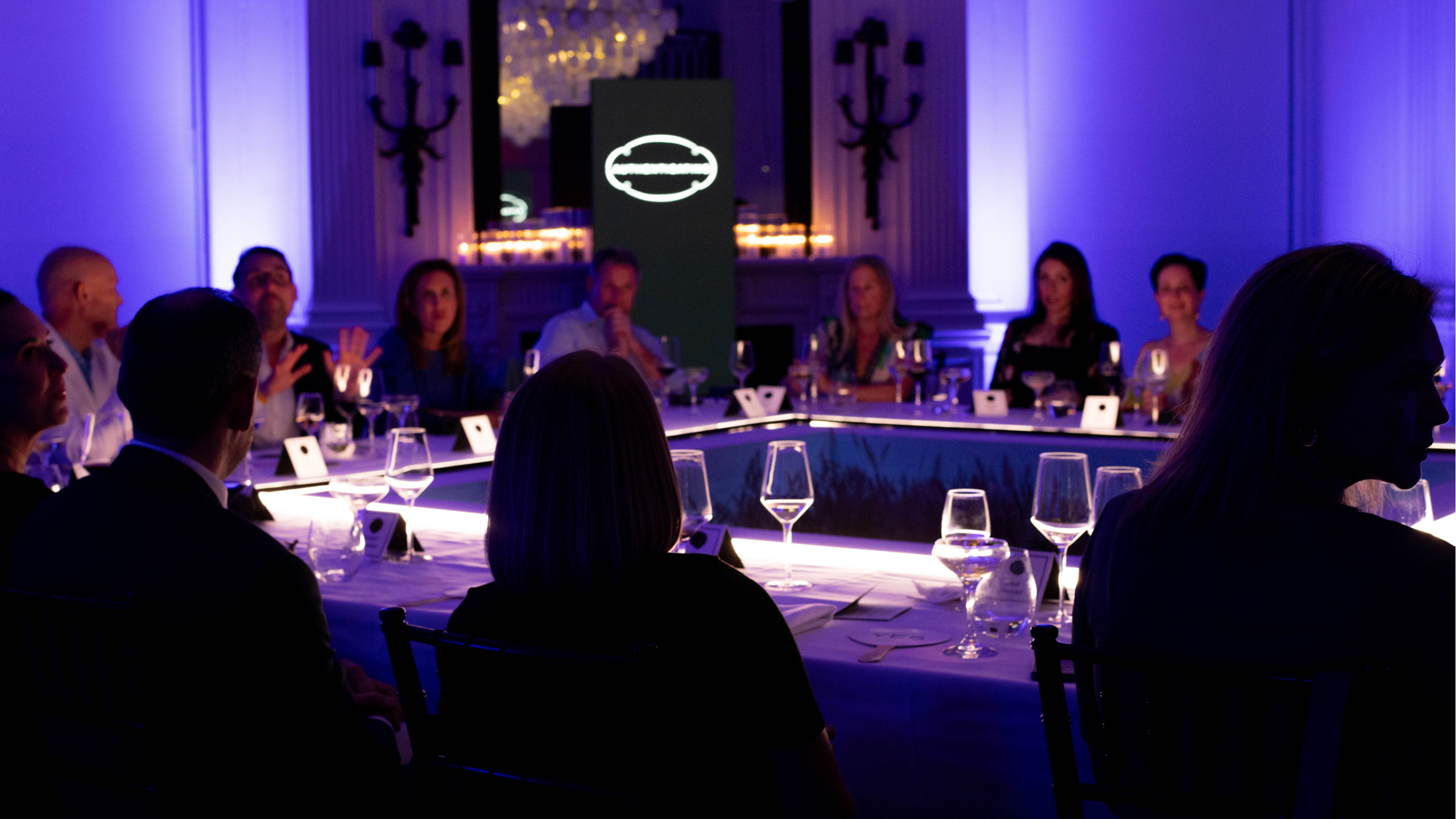
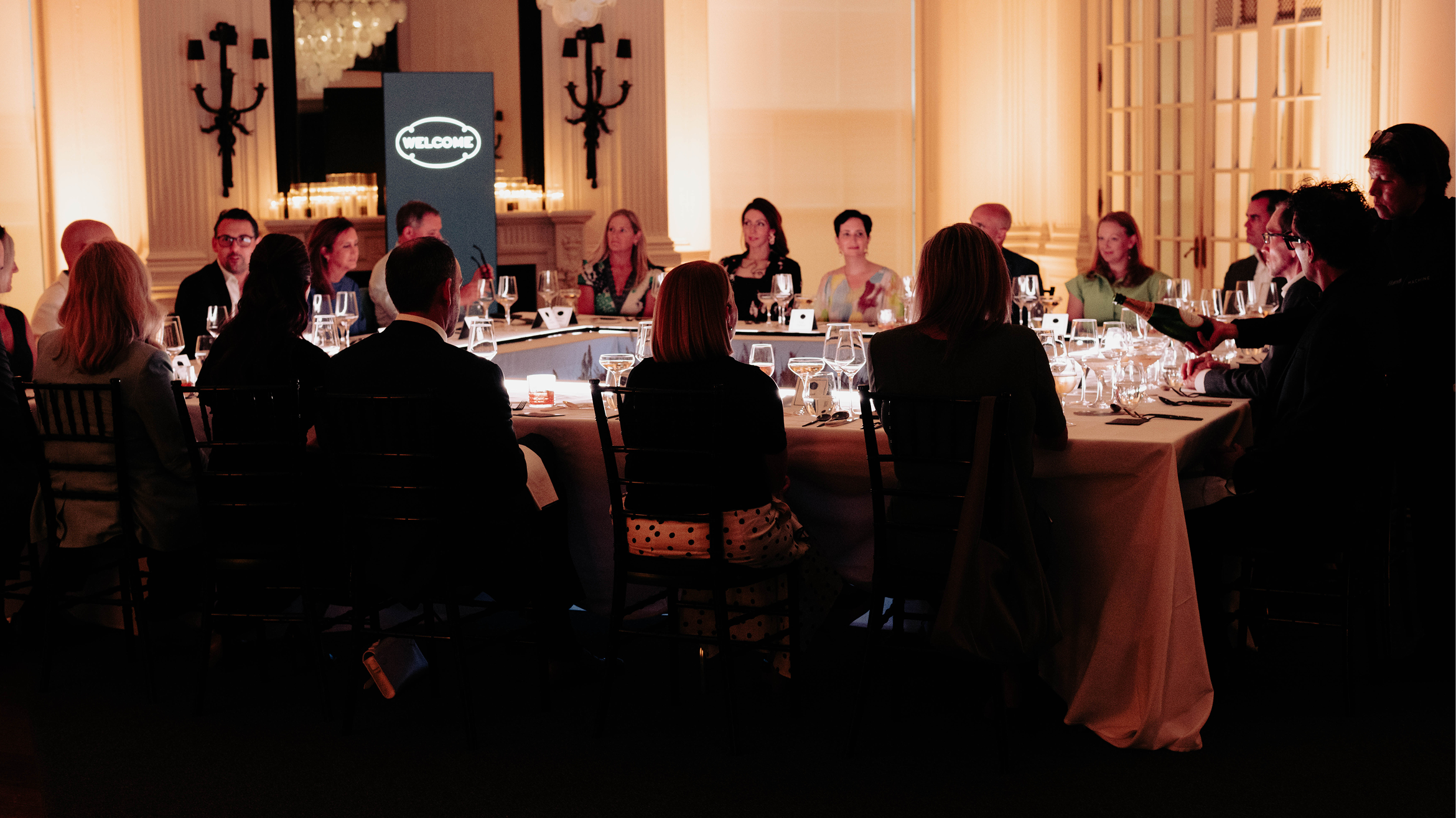
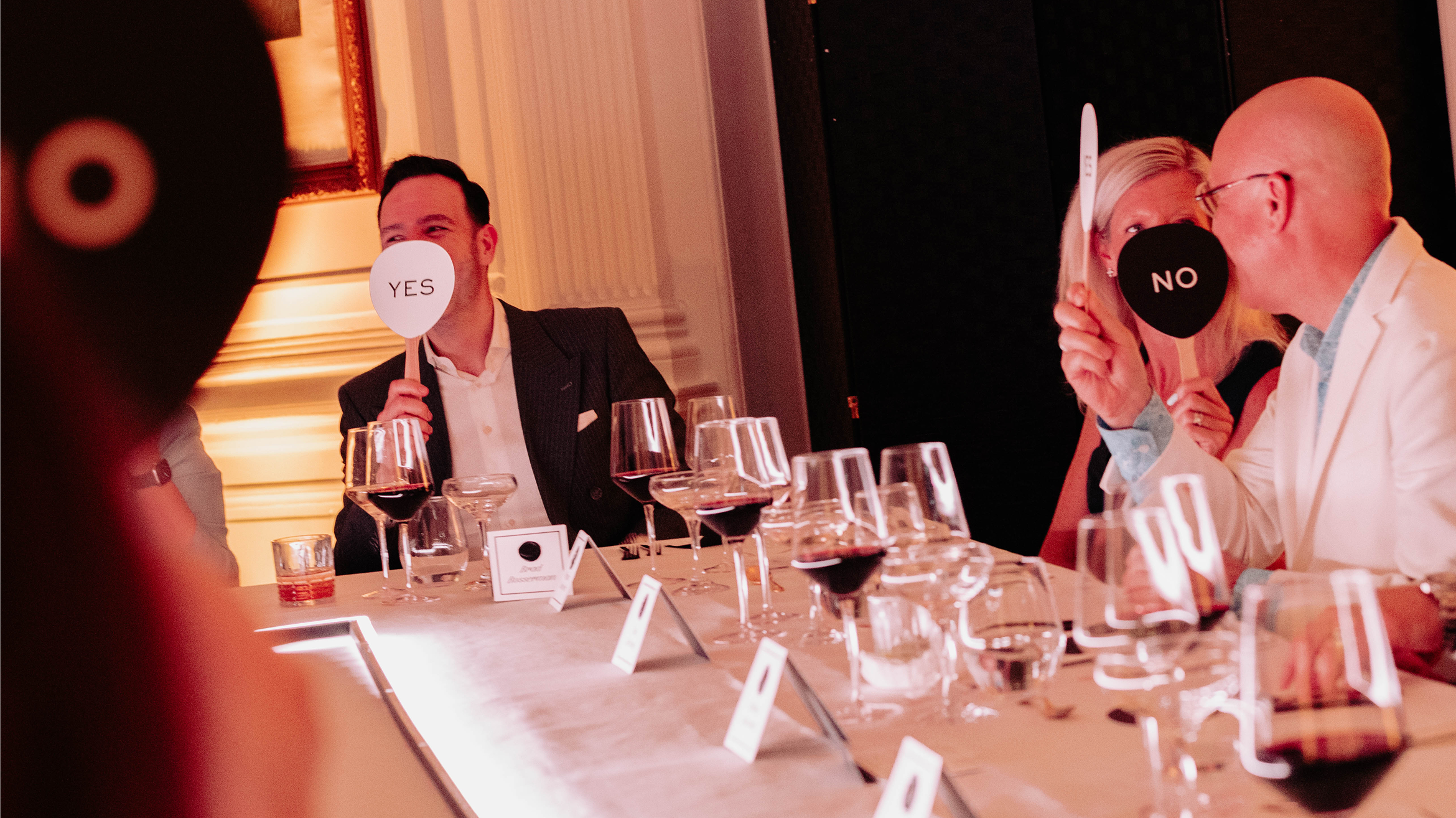
NJI and Shadow Search gathered 20 leaders across business, policy, media, communications, and culture at Washington, D.C.’s Patterson Mansion for an intimate salon dinner exploring trust and authenticity in the age of AI.
Across five courses, guests encountered human-created and AI-generated elements woven throughout the evening. Some were obvious. Some were intentionally harder to spot. The experience gave guests a chance to question their own assumptions about what felt real, what felt artificial, and whether knowing the difference actually changed their reaction.
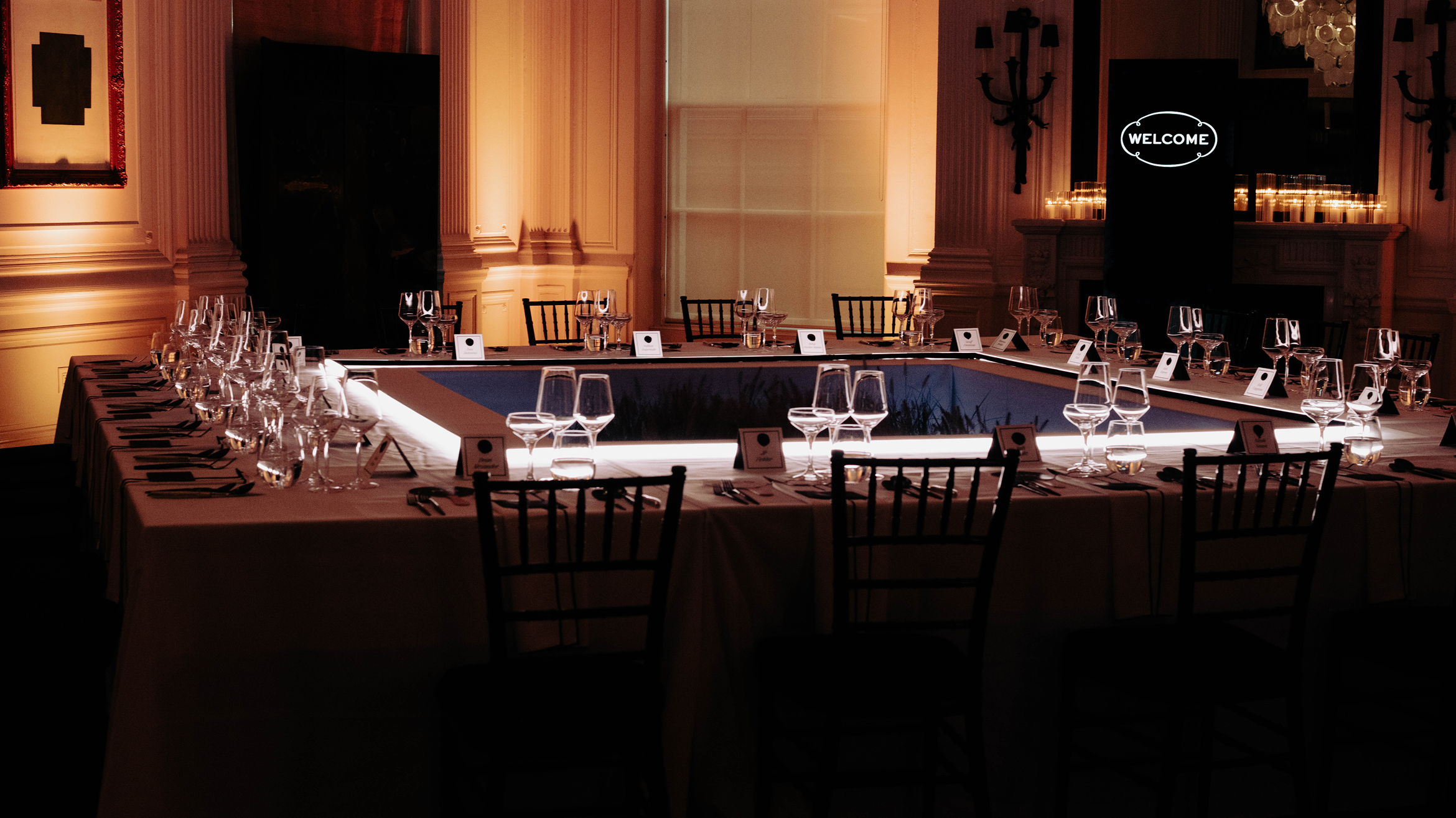
The details around the dinner mattered just as much. Invitations, seating, pacing, service, and conversation prompts were carefully considered to create an environment where people could be curious, candid, and fully present.
One question guided the evening:
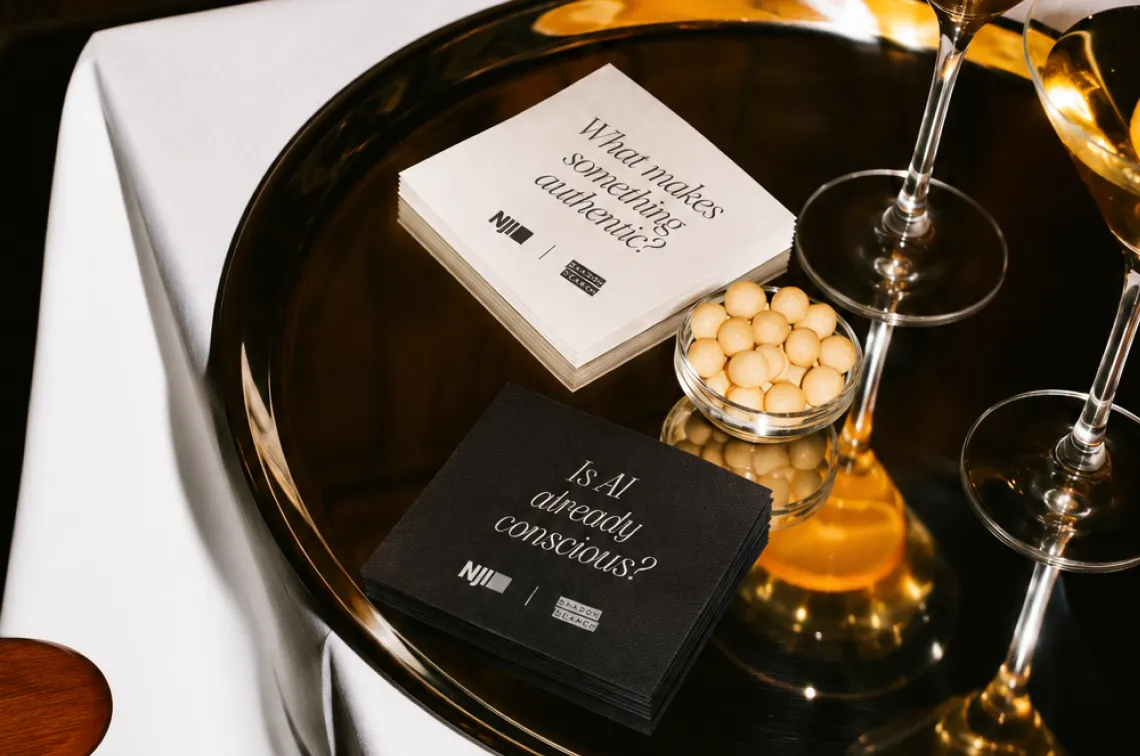
When AI can create almost anything, what still earns trust?
Goal
We wanted to take the AI conversation beyond the tools and capabilities and explore the questions communicators and leaders are increasingly facing around trust, judgment, and human connection.
Instead of a traditional panel or presentation, we designed an experience where guests could engage with those questions firsthand and talk about them with people coming from very different industries or points of view.





Strategy
The evening started with a simple prompt: Can you tell?
We layered human-created and AI-generated elements throughout the experience and deliberately left some ambiguity around what guests were seeing, hearing, and experiencing.
That gave the conversation room to develop naturally. Guests compared reactions, questioned assumptions, and debated whether knowing how something was created changed how they valued it.
The setting and hospitality were an important part of that. We wanted the evening to feel like a great dinner first, with enough experimentation built in to keep people curious and give them something worth talking about.


What came next
The questions raised questions we wanted to explore with a broader audience.
NJI partnered with Stack Data Strategy to survey U.S. voters on how AI is changing what they trust, what feels authentic, and where synthetic content starts to cross a line.
The research gave us a clearer picture of something we had heard throughout the evening:
As AI becomes more prevalent, people are paying closer attention to authenticity.
3 in 4
PREFER A REAL CUSTOMER, EMPLOYEE, OR EXPERT OVER AN ACTOR OR AI-GENERATED PERSON.
Bipartisan Trust
CROSSES POLITICAL LINES WITH HARRIS AND TRUMP VOTERS PRIORITIZING THE SAME FUNDAMENTALS: ACCURACY, AUTHENTICITY, AND TRANSPARENCY.
Authenticity
RISES TO THE TOP AMONG YOUNGER AUDIENCES WHO USE AI TOOLS MOST.


Takeaway
AI gives communicators more ways to create, experiment, and engage audiences. The research also points to clear expectations around the work: people care whether information is accurate, who is behind it, and whether what they are seeing feels genuine.
For us, the dinner and the research reinforced the value of being thoughtful about where AI belongs in an experience and where human judgment, real stories, and personal connection carry more weight.
That is a conversation we plan to keep exploring.